Posts

What are the Stages of Uterus Prolapse that You Should Know?

Image
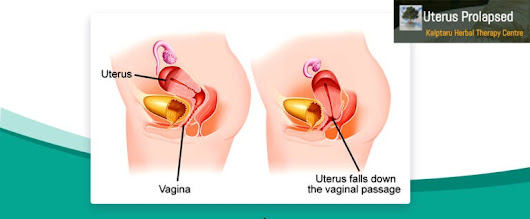
Our uterus (or womb) is usually held in place inside your pelvis with several muscles, tissue, and tendons. Because of pregnancy, childbirth, or tough labour and delivery, in some females, these muscles deteriorate. Also, as female ages and with a natural loss of the hormone estrogen, their uterus can drop into the vaginal canal, causing the disorder recognized as a prolapsed uterus. It is ideal to find one of the most reliable herbal centres for taking ayurvedic medicine for uterusprolapse treatment . Let’s take a look to know the stages of uterus prolapse. Stages of Uterus Prolapse Muscle faintness or relaxation may let your uterus to sag or come entirely out of your body in several phases: ·          First degree: The cervix droplets into the vagina. ·          Second degree: The cervix drops to the level just inside the inaugural vagina. ·          Thir...

How Does Prolapsed Uterus Affect Pregnancy?

Image
Uterine prolapse is the descent of the uterus and uterine cervix down the vaginal canal toward the introitus. Uterine prolapse throughout pregnancy is a rare occasion with the occurrence of one in 10000-15000 pregnancies, but this may be extremely risky. It can source antepartum, intrapartum, and puerperal difficulty. Only a few cases of uterine prolapse throughout pregnancy have been stated and the effectiveness of management varies from a traditionalist method. It is ideal to take the right prolapsed rectumtreatment to keep yourself safe from this disease. Let’s take a look to know about the problem of the prolapsed uterus during pregnancy. ·          The Difficulty of Uterus Prolapse During Pregnancy Uterine prolapse is a communal case in nonpregnant older females; though, uterine prolapse confounding pregnancy is a rare occasion, which either happens before or has an acute onset during gravidness. The etiology of uterine prolapse during...

What Things to Do and Don’t to Manage Uterus Prolapse?

Image
If a woman has a prolapsed uterus that means their uterus has slidden out of place and is pushing into their vagina. This problem generally happens when pelvic muscles and conjunctive tissue become too feeble to provision your pelvic organs. You may not have any signs of a slight prolapse. But as the uterus drops, it can force into the vagina. There are several treatments are available to treat this health problem, but taking prolapse uterus treatment non-surgical is one of the best ways to avoid pain and any side effects. Below, I’m going to share some important things that you can do and avoid to manage the prolapsed uterus. How Is Uterine Prolapse Treated? Treatment depends on how wicked the prolapse is, age, sexual action, if other pelvic difficulties exist, and if the condition is desired. Mild signs may mean using workouts (Kegel), hormone treatment, or an expedient called a pessary. Ayurvedic treatment is also effective for treating uterus prolapse. DOs and DON’Ts in H...

What Are The Surgical Options For Prolapsed Uterus?

Image
 Uterine prolapse may be corrected by a hysterectomy, which involves removing the uterus. This may be done by a cut (incision) in the vaginal canal (vaginal hysterectomy) or through the belly (abdominal hysterectomy) (abdominal hysterectomy). A hysterectomy is a significant operation that removes the uterus, making conception impossible. Repairing a prolapse without a hysterectomy: The uterus is returned to its proper position during this surgery. The pelvic ligaments are reattached to the bottom section of the uterus to keep it in place during uterine suspension. Depending on the method employed, the procedure might be performed via the vaginal or abdominal canals. What are the risks associated with uterine prolapse treatment ? If you don't address your uterine prolapse, it might affect other organs in your pelvis. A prolapsed uterus may cause bowel and bladder problems. It might also have a detrimental affect on your sexual life, giving you discomfort. Is it possible to avo...

What is Uterus Prolapse?

Image
  Women who have had a vaginal birth are more likely to develop prolapse, particularly if their doctor utilised devices during delivery, such as forceps (tools that resemble big spoons) or vacuums. What Are the Uterus prolapse Treatment Options? Prolapse is usually treated in one of three ways: 1. Keep an eye on it: Prolapse isn't hazardous if you don't have any symptoms. In this instance, we will develop a care plan for you in which we will describe prolapse symptoms and request that you return to see us as soon as possible if you encounter them so that we can help you manage symptoms using the therapies mentioned below. 2. Wear a pessary: A pessary is a silicone vaginal support device that is inserted into the vagina and worn throughout the day. While pessaries do not cure the underlying prolapse, they are non-surgical and usually alleviate prolapse symptoms. Pessaries must be removed, cleaned, and changed on a regular basis, and your doctor will fit them in the of...

Learn About The Various Causes of Uterus Prolapse And Its Treatments

Image
Uterine prolapse is defined in stages, signifying how far it has sloped. Other pelvic organs (such as the bladder or bowel) might also be prolapsed into the vagina. The four groupings of uterine prolapse are: ·          Stage I – the uterus is in the upper half of the vagina ·          Stage II – the uterus has sloped virtually to the opening of the vagina ·          Stage III – the uterus obtrudes out of the vagina ·          Stage IV – the uterus is totally out of the vagina. Causes of uterine prolapse The pelvic floor and related supporting connective tissues can be deteriorated or impaired in several ways including: ·          pregnancy, particularly in the case of multiple births (such as twins or triplets), or numerous pregnancies ·       ...